
Got Heat? Cold? Wildfires? Droughts? Hurricanes?
Three ways to sustainably engage with the climate crisis.

From the anti-dommer MindsetOriginally published on Psychology Today · July 10, 2026
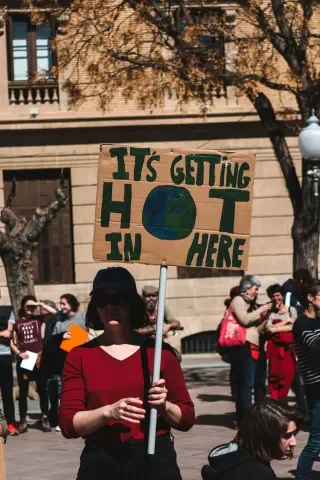
Extreme weather can make the climate crisis difficult to ignore, but awareness does not always translate into sustained engagement. In this article for The Anti-Doomer Mindset on Psychology Today, Ariella Cook-Shonkoff examines several forces that can make it harder to stay present with the climate crisis and act on our concern.
She looks at three recurring barriers, noise, depletion, and intellectualization, and considers how creating more space for quiet, restoration, and emotional honesty can help people reconnect with what matters to them.
The article offers a grounded way to think about climate engagement not simply as doing more, but as developing the capacity to remain attentive, emotionally connected, and able to participate over time.
Key IdeasRecognize what you are feeling
Eco-paralysis is rarely apathy. More often it is grief, fear, or overwhelm that has nowhere to go. Naming the feeling accurately is what makes it possible to work with.
Focus on what is within reach
The scale of the problem is not the scale of your responsibility. Choosing one specific, repeatable action restores a sense of capability that abstraction erodes.
Reconnect action with your values
Action that reflects something you genuinely care about, such as children, community, or a particular place, tends to last far longer than action driven by alarm.
If you are parenting through this, Raising Anti-Doomers offers language and practical tools for talking with children about climate change without handing them the full weight of the problem.

Ariella Cook-Shonkoff, MFT, ATR
Ariella is a licensed marriage and family therapist, registered art therapist, author, and speaker. She writes and teaches on climate anxiety, parenting, and building resilience in families navigating an uncertain world.