
Eco-Anxiety is Affecting Our Kids
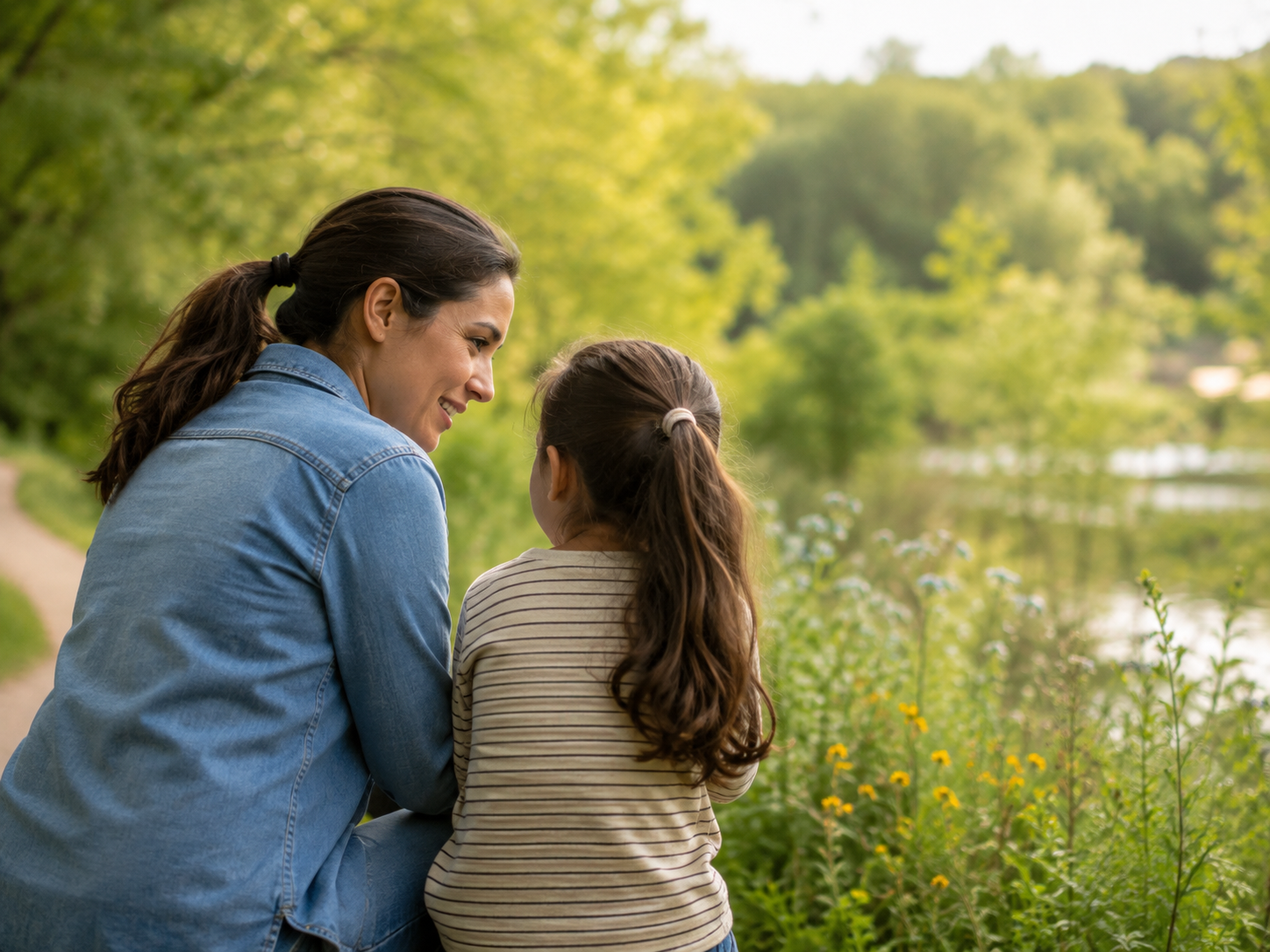
Part of the reason for this is how the topic is covered in both social media and the mainstream media: with graphic images, impulsive rants, and clickbait headlines. Other people’s anxiety can also fan the flames, whether at school, work, home, or in the community.
Helping Children Hold Hope
While it is important for young people to understand what is happening, and to build community and find ways to become active, it is also our job as adults to help them maintain hope about the future.
It is important for parents to find ways to manage their own eco-anxiety, and shield children from their own existential angst. Discussions with kids should be framed in age-appropriate terms.
Becoming a Climate-Aware Provider
I recently joined a referral list under-construction by Climate Psychology Alliance North America (www.climatepsychology.us) and The Climate Psychiatry Alliance (www.climatepsychiatry.org).
Along with many other mental health providers, I pledge to be a climate-aware provider. In the coming months, I will be posting more about this topic, along with related links to helpful resources and organizations.
“It is also our job as adults to help them maintain hope about the future.”
Finding Hope Alongside Concern
As troubling as climate change is, and how our government remains stalled out in dealing with it, what is happening on local, grassroots, and international levels is inspiring.
As Greta Thunberg put it: “The world is waking up. And change is coming.”
Climate anxiety does not mean we have to turn away from what is happening. We can acknowledge difficult emotions while helping children stay connected to hope, community, and meaningful action. How adults talk about climate change matters, especially when young people are looking to us for perspective, reassurance, and a path forward.
